%2Ffit-in%2F250x250%2Fguide_websites%2F11132%2Fimages%2F1768636954150gemini_generated_image_ojpbyyojpbyyojpb-removebg-preview.png&w=1920&q=100)
/users/1a4163fc-49cd-4a08-8fa4-2f17de804373/ratecard/n.jpeg)
%2F300x300%2Fusers%2F1a4163fc-49cd-4a08-8fa4-2f17de804373%2Fratecard%2Fn.jpeg&w=256&q=75)
%2F300x300%2Fusers%2F1a4163fc-49cd-4a08-8fa4-2f17de804373%2Fimages%2Fbest-great-fishing-tours-fl-2347.jpeg&w=256&q=75)
%2F300x300%2Fusers%2F1a4163fc-49cd-4a08-8fa4-2f17de804373%2Fimages%2Ffishing-tours-florida-2250.jpeg&w=256&q=75)
%2F300x300%2Fusers%2F1a4163fc-49cd-4a08-8fa4-2f17de804373%2Fimages%2Ffisherman-catch-florida-2360.jpeg&w=256&q=75)
%2F300x300%2Fusers%2F1a4163fc-49cd-4a08-8fa4-2f17de804373%2Fimages%2Fflorida-fishing-tours-2245.jpeg&w=256&q=75)
%2F300x300%2Fusers%2F1a4163fc-49cd-4a08-8fa4-2f17de804373%2Fimages%2Fgag-grouper-fishing-tour-fl-2458.jpeg&w=256&q=75)
%2F300x300%2Fusers%2F1a4163fc-49cd-4a08-8fa4-2f17de804373%2Fimages%2Fsheepshead-fishing-tour-st-petersburg-2336.jpeg&w=256&q=75)
%2F300x300%2Fusers%2F1a4163fc-49cd-4a08-8fa4-2f17de804373%2Fimages%2Fst-petersburg-fishing-tour-2329.jpeg&w=256&q=75)
%2F300x300%2Fusers%2F1a4163fc-49cd-4a08-8fa4-2f17de804373%2Fimages%2Ftripletail-fishing-tour-st-petersburg-2391.jpeg&w=256&q=75)
%2F300x300%2Fusers%2F1a4163fc-49cd-4a08-8fa4-2f17de804373%2Fimages%2Fgag-grouper-st-petersburg-fishing-2507.jpeg&w=256&q=75)
%2F300x300%2Fusers%2F1a4163fc-49cd-4a08-8fa4-2f17de804373%2Fimages%2Fcouple-fishing-tour-st-petersburg-2338.jpeg&w=256&q=75)
St Pete Wreck Fishing Reel Lucky Charters
 St. Petersburg, FL
What you will be catching:
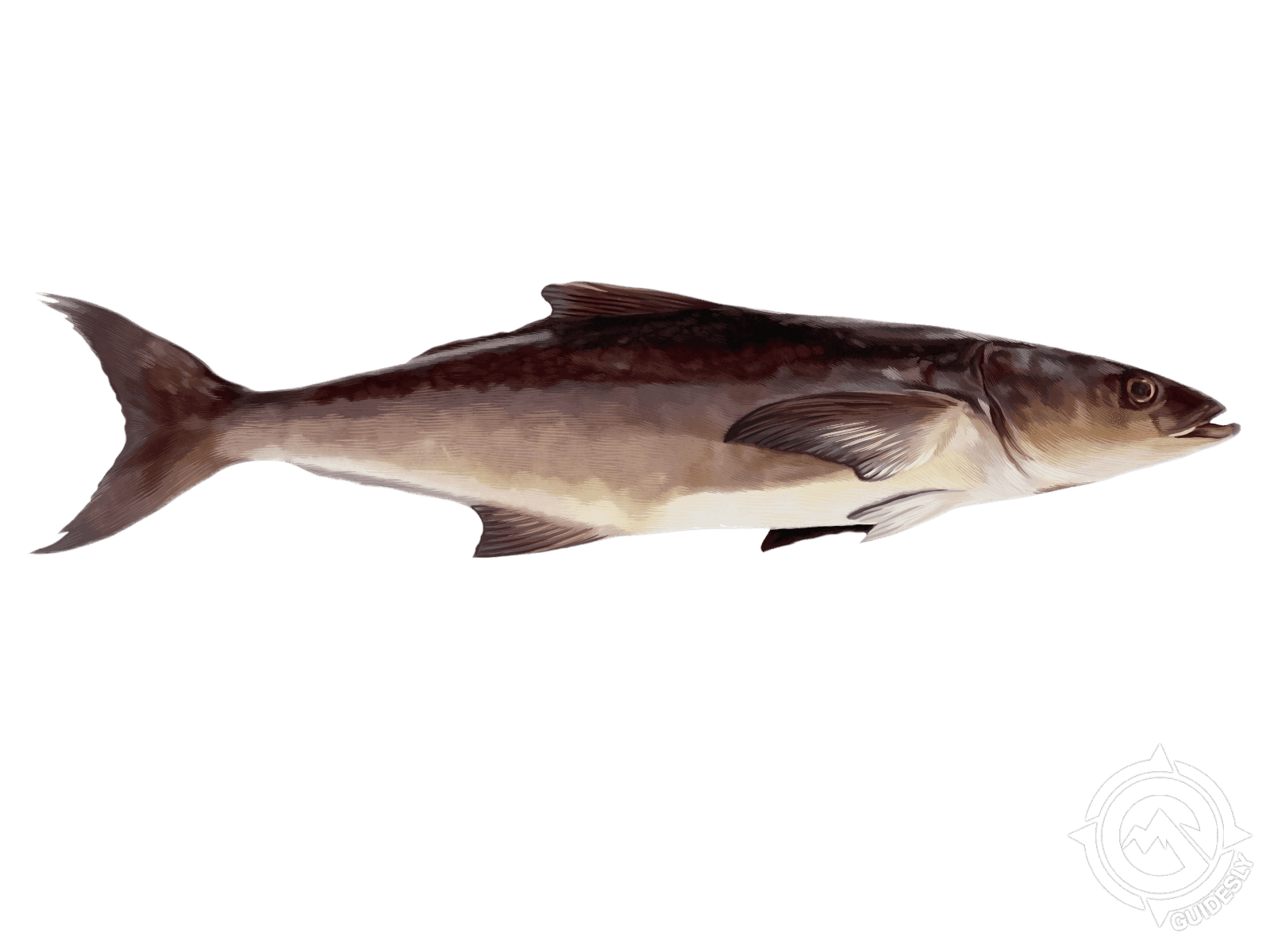
 Cobia
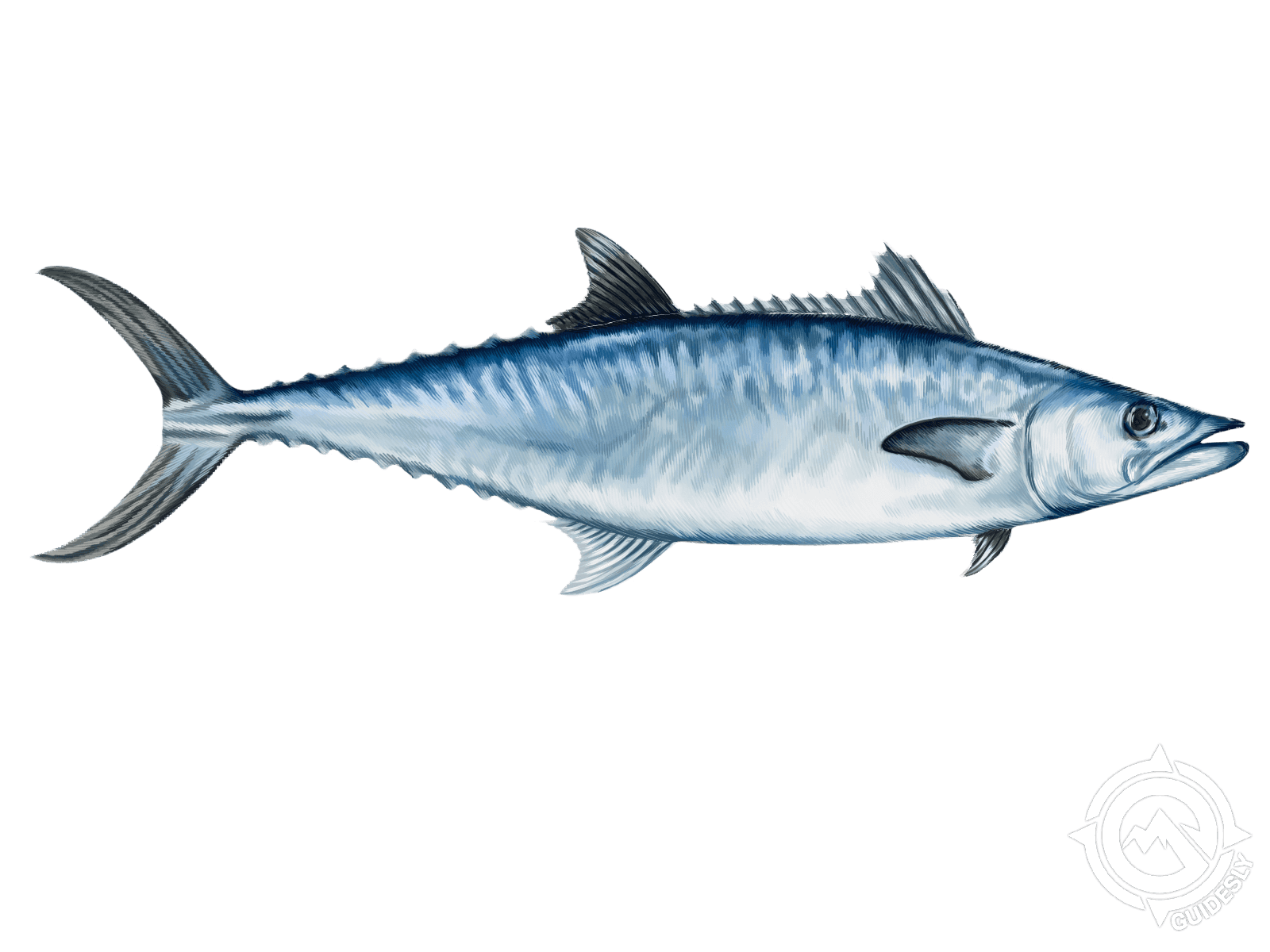
Cobia King Mackerel
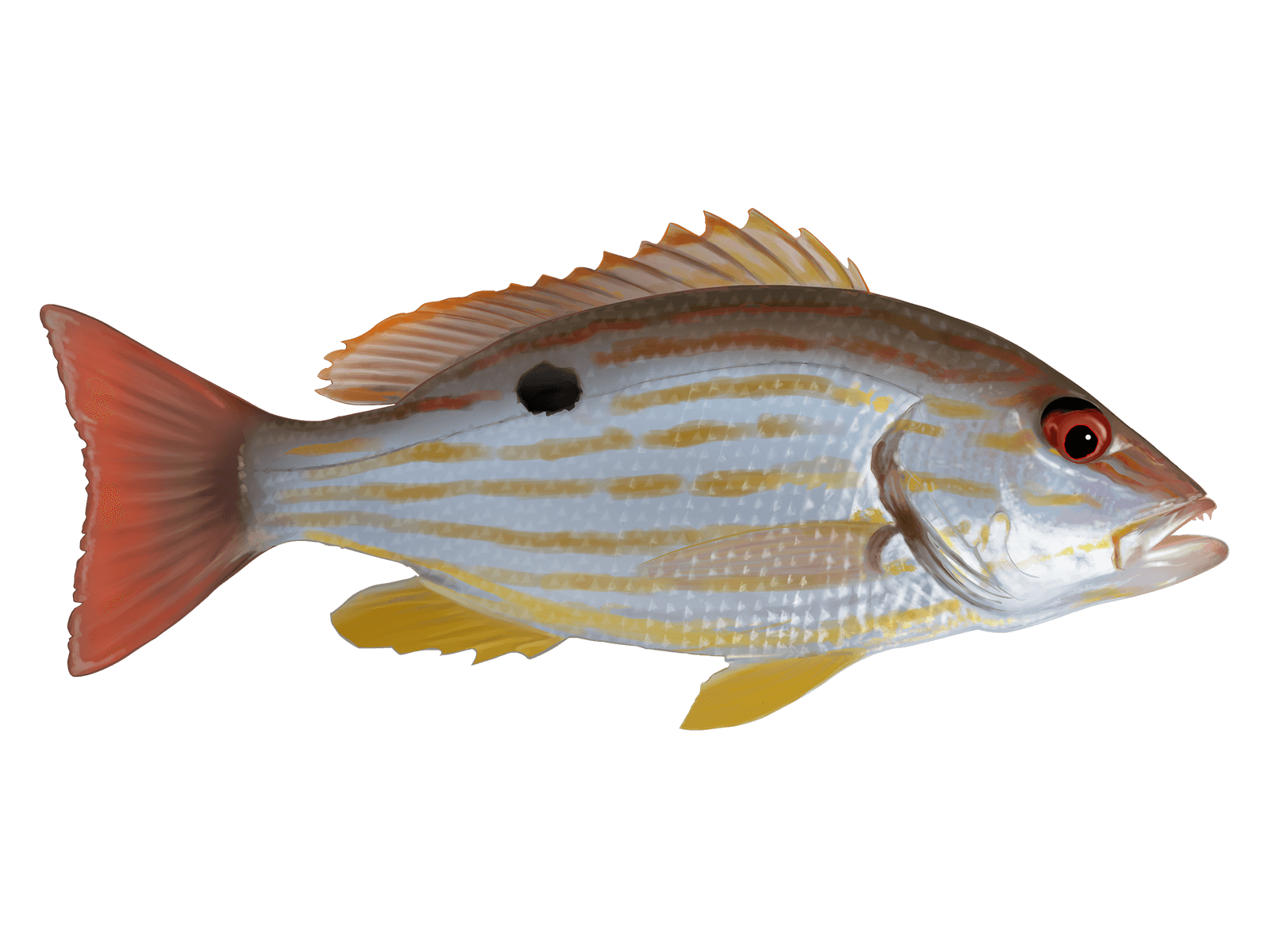
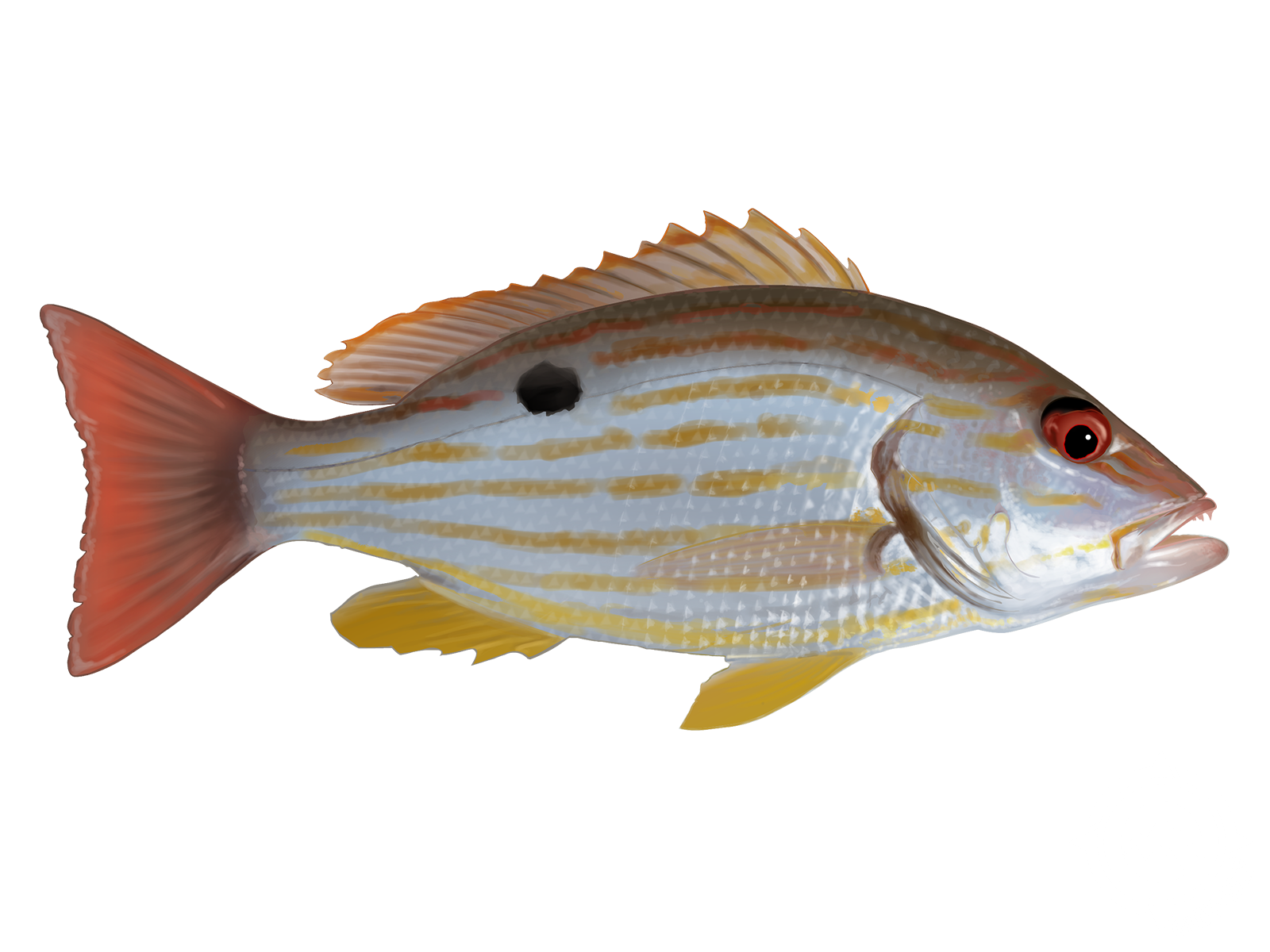 Lane Snapper
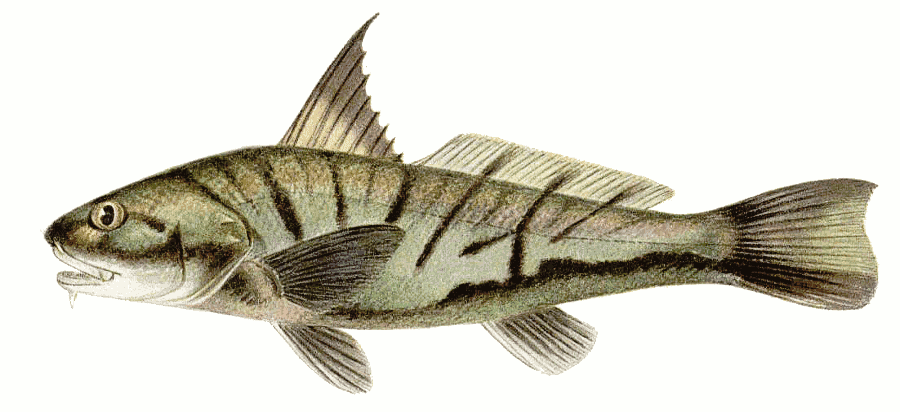
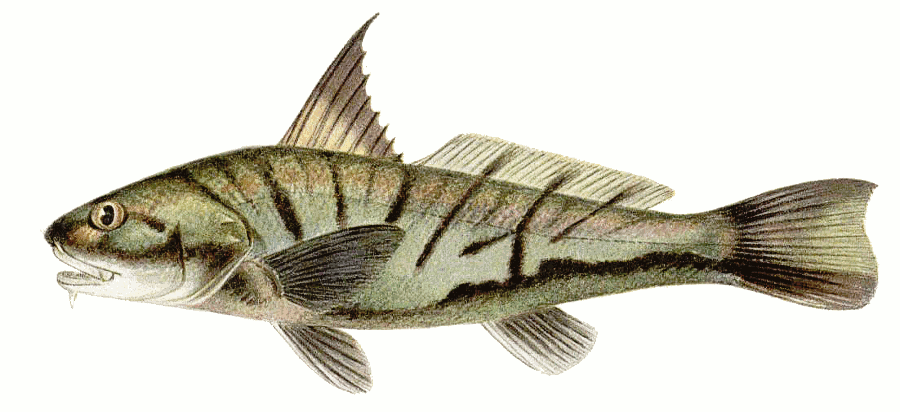 Northern Kingfish
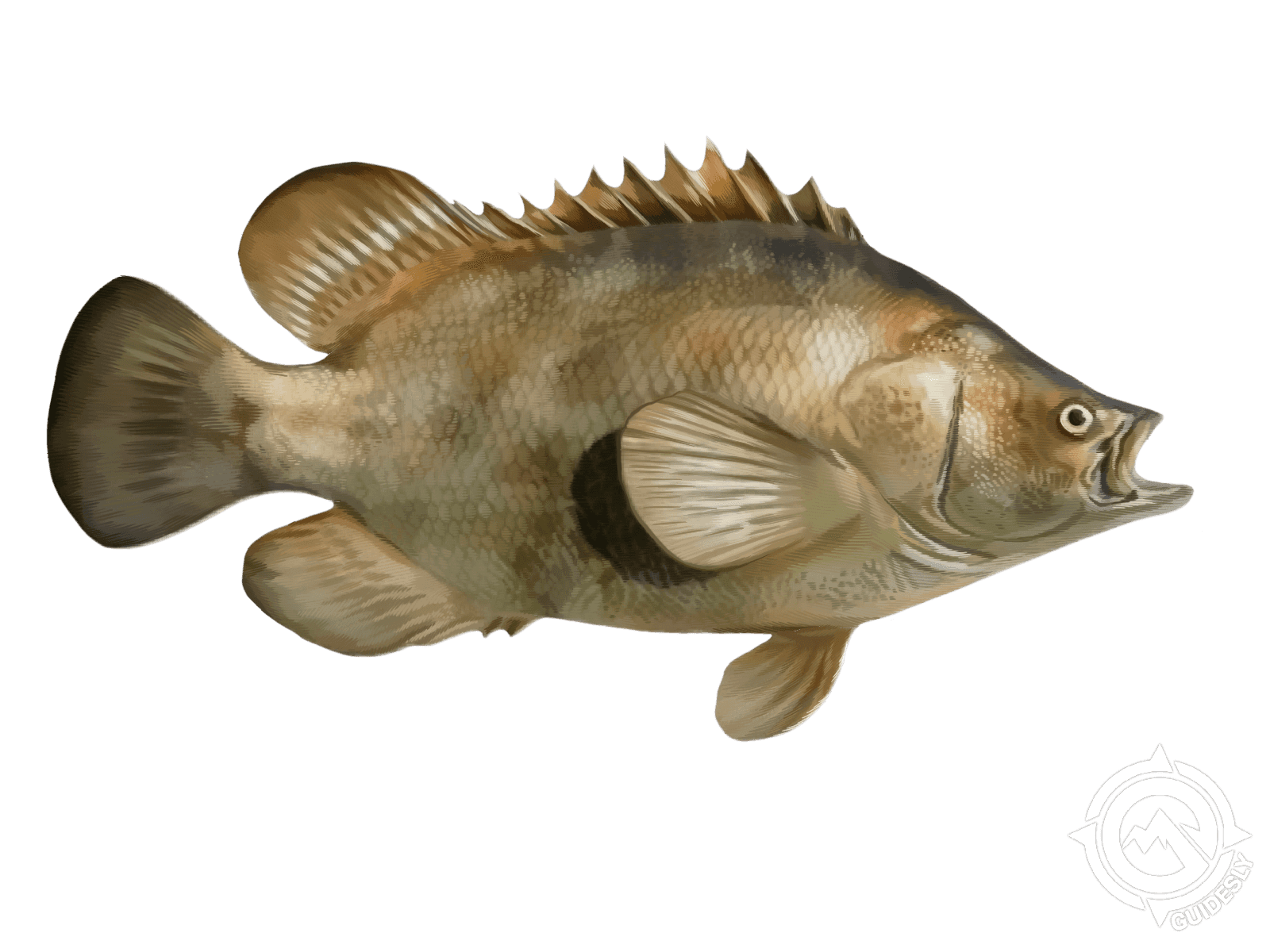
 Tripletail
- Target diverse reef species during optimal fall/winter conditions
- Personalized 2-guest maximum trips with expert local knowledge
- Comfortable cooler weather enhances extended fishing battles
Trip Pricing and Availabilities:
St Pete Reef & Wreck Fishing Adventure
Captain Joe DePhillips knows these waters like the back of his hand, and when fall and winter roll around St Petersburg, the fishing gets downright fantastic. The cooler temperatures push fish closer to shore, making those productive reef and wreck sites absolutely loaded with hungry game fish. You're looking at prime spots where snapper, grouper, kingfish, and cobia stack up around structure just waiting for the right bait. This isn't your typical inshore trip – we're talking about real offshore action without having to run 30 miles to find fish. With space for just two anglers, you'll get personalized attention and plenty of room to work when that big king mackerel decides to make a run.
What to Expect on the Water
This top-rated charter targets the artificial reefs and natural wrecks that dot the Gulf waters off St Pete. These underwater structures create perfect ambush points for predators and safe havens for baitfish, which means consistent action throughout the trip. Captain Joe customizes each outing based on current conditions, what's biting, and what you're hoping to catch. Some days we might focus on bottom fishing over a productive wreck site, while other trips call for live bait fishing around the reefs or even some trolling action for kings and cobia. The beauty of these spots is their diversity – you never know if the next fish will be a feisty lane snapper or a trophy-sized grouper. Weather permitting, expect to fish multiple locations as we follow the bite and put you on the most active fish of the day.
Reef & Wreck Fishing Tactics
Wreck fishing is all about precision and patience. We'll anchor up-current from productive structure and drop baits right into the strike zone where fish are waiting. Live bait like pinfish, sardines, or grunts works magic around these spots, but fresh cut bait can be just as deadly when the fish are feeding aggressively. The key is getting your bait to the bottom quickly before the current sweeps it away from the wreck. Captain Joe provides all the tackle you'll need, including heavy enough gear to pull fish away from structure before they can cut you off. For the reef fishing, we often use lighter tackle to make the fight more sporting, especially when targeting smaller snappers and grunts. When conditions are right, we might also try some vertical jigging or even troll around the edges of these productive areas to pick up fast-moving pelagics like kingfish and cobia.
Species You'll Want to Hook
Northern Kingfish are scrappy fighters that love hanging around the edges of reefs and wrecks. These silver-sided beauties typically run 1-3 pounds and put up a fight way bigger than their size suggests. Fall and winter months are perfect for targeting them as they move closer to shore following baitfish. They're excellent table fare with firm, white meat that's perfect for fish tacos or grilling. What makes them exciting is their aggressive strike and the way they'll dart and weave around structure trying to break you off.
King Mackerel are the speed demons of the Gulf, and the reef areas off St Pete hold some serious fish during the cooler months. These toothy predators can range from school-sized 8-pounders up to trophy fish pushing 40+ pounds. They're notorious for their blistering runs and acrobatic jumps when hooked. Kings are most active during dawn and dusk, making them perfect targets for full-day trips. The combination of their fighting ability and excellent eating quality makes them a customer favorite year after year.
Cobia are the bulldogs of the reef, with their broad shoulders and incredible pulling power. These brown-colored fighters average 15-30 pounds in our area but can grow much larger. They're curious fish that often follow rays and sharks, making sight fishing opportunities common around the clear waters over our reef systems. Cobia have a unique habit of coming right up to the boat to investigate, giving anglers shots at truly memorable catches. Their mild, white meat rivals grouper for table quality.
Tripletail are one of the most unique species you'll encounter on these trips. These oddly-shaped fish love floating around structure and debris, often looking like floating leaves until they strike your bait. They typically run 3-15 pounds and are absolute acrobats when hooked, jumping and rolling at the surface. Tripletail are considered among the best eating fish in the Gulf, with sweet, flaky meat that's highly prized by local restaurants and anglers alike.
Lane Snapper are the bread-and-butter fish of reef fishing, providing consistent action when other species might be finicky. These colorful snappers with their distinctive yellow stripes and pink sides are found around virtually every reef and wreck in our area. They're perfect for anglers who want steady action, typically running 8-14 inches and biting throughout the day. While they're smaller than their red snapper cousins, lanes are fantastic eating and great fun on lighter tackle.
Time to Book Your Spot
Captain Joe's reef and wreck trips fill up quickly during the prime fall and winter months when the fishing is at its absolute best. With only two spots available, you're guaranteed personal attention and the flexibility to target whatever species are most active. Whether you're looking to fill the cooler with great eating fish or chase that trophy catch, these productive waters off St Petersburg deliver world-class fishing just minutes from shore. The combination of diverse species, consistent action, and Captain Joe's local knowledge makes this a must-do experience for any serious angler. Don't wait – contact Captain Joe DePhillips today to customize your perfect reef and wreck fishing adventure.
Learn more about the species
Cobia
Cobia are the gentle giants that surprise everyone with their size and table quality. These brown, shark-looking fish average around 30-40 pounds and grow up to 6 feet long. They're loners, so you won't find schools, but that makes each one special. During spring and summer, we find them around our reefs, wrecks, and even floating near the surface in 30-70 feet of water. What guests love is the sight fishing - spotting that dark shape just under the surface gets everyone excited. Plus, cobia are hands-down some of the best eating fish in the Gulf with firm, white meat that rivals any restaurant fish. My go-to technique is a 4-8 ounce bucktail jig in any color - they're not picky. Just remember to be ready for a strong, stubborn fight once you hook up.
King Mackerel
King Mackerel are speed demons that'll test your drag and your nerves. These silver bullets average around 30 pounds but can push past 90, and they're built for one thing - pure speed. During fall and winter, they move closer to our reefs and wrecks in 40-150 feet of water, making them perfect targets for our cooler weather trips. What makes kings so popular is that blistering initial run when they hit - nothing quite matches it except maybe a wahoo. They're also solid table fare despite the mercury concerns. The key to landing them consistently is running two hooks on a wire leader - one through the nose of your live bait, another trailing behind. Kings love to hit the tail section first, so that stinger hook back there will save you a lot of heartbreak and cutoffs.
Lane Snapper
Lane Snapper are the reliable workhorses of reef fishing that always seem to find their way into the cooler. These pretty pink and yellow striped fish typically run 10-14 inches and make excellent table fare. You'll find them around our reefs and rocky bottom in 69-230 feet of water, though they sometimes come shallower during cooler months. What guests appreciate is their aggressive nature - they're not shy about hitting bait and put up a decent scrap for their size. March through September is peak season when they're most active. They're often a bonus catch when targeting larger snappers, but they're worth targeting on their own. The secret is fishing at night when they feed most actively - drop some cut shrimp or squid on a small hook and let them find you on the bottom.
Northern Kingfish
Northern Kingfish are scrappy little bottom feeders that pack a punch for their size. These drum family members typically run 10-14 inches and weigh up to 1.5 pounds, but don't let that fool you - they'll give you a solid fight on light tackle. You'll find them cruising sandy and rocky bottoms in shallow coastal waters, using that single barbel under their chin to hunt for crabs, shrimp, and worms. Late summer is prime time when they move closer to shore. What guests love most is the challenge - these fish are surprisingly feisty for their size, plus they make excellent table fare with sweet, white meat. Here's a tip: use small hooks with clam or bloodworm, and fish right on the bottom. They're not shy about hitting bait, but that first run will surprise you every time.
Tripletail
Tripletail are the oddball fish that everyone remembers catching. These guys get their name from their unique fin structure that makes them look like they have three tails. They average 2-13 pounds but can reach 40, and they're masters of disguise - often floating on their side mimicking debris or seaweed. You'll spot them near weed lines and around floating structure, usually right at the surface. Spring through fall is prime time, especially around our nearshore waters. What makes them special is they're surprisingly acrobatic for such a chunky fish, plus they taste similar to red snapper or grouper. The trick with tripletail is stealth - cast past them and work your bait back slowly. They spook easily, so approach quietly and let them ambush your shrimp or crab bait.
About the Reel Lucky
%2F%2Fusers%2F1a4163fc-49cd-4a08-8fa4-2f17de804373%2Fvehicle_picture%2Fjdoffshoreboat.jpeg&w=1920&q=75)
Vehicle Guest Capacity: 6
Manufacturer Name: Suzuki
Maximum Cruising Speed: 45
Number of Engines: 2
Horsepower per Engine: 300